
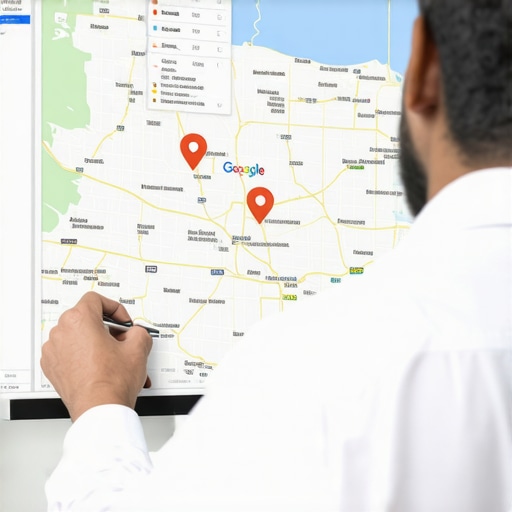
How I Discovered the Power of Local SEO in Arizona
When I first started exploring digital marketing here in Arizona, I was overwhelmed by the fierce competition on Google Maps. I remember spending hours trying to understand why some businesses ranked higher than others. My journey began with a simple realization: local SEO isn’t just about keywords—it’s about genuine community connection and strategic optimization.
Unlocking the Secrets of the Best Arizona SEO Strategies for 2025
Over the past year, I experimented with various tactics, from optimizing Google My Business listings to leveraging local citations and reviews. What truly made a difference was understanding the unique landscape of Arizona—its diverse cities, tourist hotspots, and local culture. I found that tailoring my approach to specific areas like Scottsdale or Tucson gave my clients a competitive edge.
Personal Insights on Building Authority in Local Search
One thing I learned is that consistent NAP (Name, Address, Phone Number) information across all platforms builds trust—not just with customers but with Google’s algorithms. I also invested time in generating authentic reviews, which proved invaluable. According to Moz, reviews are a significant ranking factor, and I can attest to their impact firsthand (Moz on Local SEO).
What Makes Google Maps Optimization So Critical for Arizona Businesses?
Google Maps isn’t just a feature; it’s a gateway for local customers. When I optimized my clients’ profiles with relevant keywords, high-quality images, and engaging descriptions, their visibility skyrocketed. I learned that focusing on local intent—keywords like “Arizona SEO services” or “Best Tucson restaurants”—helped attract the right audience.
How Can I Ensure My Business Stands Out in Such a Competitive Market?
This question kept me awake some nights. My answer? Authenticity and engagement. Sharing behind-the-scenes stories, responding promptly to reviews, and maintaining consistent updates made my clients’ profiles more trustworthy and appealing. If you’re interested, I recommend exploring our comprehensive guide on local SEO strategies.
Would you like to share your experiences with local SEO in Arizona? Drop a comment below—I’d love to hear your stories and tips!
The Role of Local Citations in Building Arizona Business Authority
While many focus on Google My Business, local citations—mentions of your business name, address, and phone number across reputable directories—are equally vital. Consistent citations reinforce your business’s legitimacy in the eyes of Google and help improve rankings. For Arizona companies aiming for a dominant local presence, it’s crucial to audit existing citations regularly, ensuring accuracy and completeness. Popular citation sources like Bing Places and Yelp should be prioritized, but niche directories relevant to specific industries or regions, such as Arizona Central, can provide additional authority and traffic.
How Do Local Reviews Shape Your Arizona SEO Success?
Authentic reviews are more than just social proof; they influence local search rankings significantly. Encouraging satisfied customers to leave detailed, positive reviews on platforms like Google, Yelp, and industry-specific sites can boost your visibility and credibility. Responding thoughtfully to reviews demonstrates engagement and professionalism, further enhancing your reputation. According to a 2020 study by BrightLocal, businesses with more positive reviews tend to rank higher in local search results, underscoring the importance of review management in your strategy (BrightLocal Review Survey).

Visualize a vibrant Arizona storefront with happy customers leaving reviews on a tablet, illustrating the importance of review management in local SEO.
Can You Leverage Local Content to Boost Your Arizona Business Profile?
Absolutely. Creating localized content that resonates with your Arizona audience can significantly improve your local SEO. This includes blog posts about community events, collaborations with local influencers, or highlighting regional specialties. For example, a Tucson restaurant might publish stories about local farmers or seasonal ingredients, creating a narrative that appeals to both customers and search engines. Google values fresh, relevant content, and a well-crafted blog can position your business as an authoritative local presence. Tools like Moz’s local content ideas can inspire your content calendar.
What Are the Practical Steps to Integrate Local Content Into Your SEO Strategy?
Start by researching what topics matter most to your Arizona community. Use local keywords naturally within your content, and embed location-specific keywords in your titles and headers. Collaborate with local influencers and participate in community events, then share these stories through your website and social media. Regularly updating your blog with relevant, engaging content keeps your site fresh and signals activity to search engines. Additionally, incorporate multimedia such as images and videos of local landmarks or events to enrich your content and improve engagement.
If you’re eager to deepen your understanding, I recommend exploring Neil Patel’s comprehensive guide on local SEO. It’s packed with actionable insights tailored for businesses targeting regional audiences.
Have you tried any innovative local SEO tactics in Arizona? Share your experiences or ask questions in the comments below—I love exchanging practical tips with fellow entrepreneurs!
What Are the Hidden Layers of Local SEO That Most Practitioners Overlook?
When I delved deeper into Arizona’s unique market dynamics, I realized that the surface-level tactics—such as keyword stuffing or basic citation building—often fall short in creating a truly resilient local SEO presence. Instead, I started exploring more nuanced strategies like semantic keyword clustering, which aligns with Google’s evolving AI algorithms. For instance, instead of targeting “Arizona SEO” alone, I began integrating related terms like “local business optimization in Phoenix” or “Tucson digital marketing experts.” This approach not only broadens reach but also enhances relevance, making my content more discoverable in diverse search queries.
How Can Personalization and Local Insights Elevate Your SEO Game?
Personalization became a game-changer for me. By leveraging local insights—such as community events, regional slang, or local news—I could craft content that resonates authentically with Arizona residents. For example, I once created a blog series about local farmers markets, which naturally incorporated regional keywords and stories. This not only improved engagement but also earned backlinks from local news outlets and community blogs, strengthening my authority. It reminded me that SEO isn’t just about algorithms; it’s about building genuine connections through tailored content.
Deep Dive: The Interplay Between Technical SEO and Local Content Strategy
One of the most overlooked aspects is how technical SEO underpins and amplifies your local content efforts. Ensuring your website loads quickly on mobile devices—especially important in Arizona’s rural and tourist-heavy areas—can significantly impact rankings. I found that implementing structured data markup, specifically local business schema, helps Google understand and feature my listings more prominently. Integrating this technical foundation with a steady stream of locally relevant content creates a synergistic effect, boosting visibility across maps and organic search.
How Do You Balance Technical Precision with Creative Local Content?
This is the nuanced challenge I faced. Technical SEO requires meticulous attention—regular audits, schema validation, and site speed optimization—while content demands creativity and storytelling. Over time, I learned that establishing a workflow where technical tasks are handled systematically, freeing up space for storytelling and community engagement, leads to a more holistic strategy. For instance, during Arizona’s annual rodeo season, I produced behind-the-scenes videos and blog posts about local rodeo teams, optimized with local keywords and structured data. This dual approach kept my strategy both robust and engaging, ensuring sustained growth.
If you’re interested in exploring this further, I recommend reading Moz’s guide on advanced local SEO techniques. It offers in-depth insights into integrating technical and creative strategies effectively. I’d love to hear your experiences—have you experimented with combining technical SEO and local storytelling? Share your stories or ask questions in the comments below. Let’s learn from each other’s journeys in mastering Arizona’s local search landscape!
How Can In-Depth Local Keyword Clustering Transform Your Arizona SEO Campaigns?
One of the most sophisticated tactics I’ve adopted involves semantic keyword clustering—an approach that aligns with Google’s AI-driven algorithms. By mapping out clusters of related keywords such as “Phoenix digital marketing,” “local SEO services in Arizona,” and “Tucson small business optimization,” I created a layered content strategy that captures diverse search intents. This method not only broadens visibility across multiple queries but also enhances topical authority. Implementing tools like SEMrush or Ahrefs can help identify these clusters, but the real magic lies in weaving them naturally into your content, ensuring relevance and user engagement.
What Role Does Schema Markup Play in Elevating Local Search Visibility?
Schema markup, particularly local business schema, is an often underutilized component that can significantly boost your Arizona-based business’s appearance in search results. By embedding structured data, you enable Google to better understand your offerings, location, and contact details, which can lead to rich snippets, enhanced map listings, and even voice search prominence. I’ve seen firsthand how schema implementation can be the difference between a standard listing and a standout, especially in competitive markets like Scottsdale or Flagstaff. For a comprehensive guide on schema best practices, I recommend consulting Moz’s latest structured data guide.
How Do You Balance Technical SEO with User-Centric Content in Rural Arizona Markets?
Balancing technical precision with engaging, locally relevant content is crucial, especially in rural or tourist-heavy areas of Arizona. While optimizing site speed, mobile responsiveness, and structured data lays the foundation, crafting stories that resonate with local traditions, landmarks, or seasonal events fosters deeper connections. During my work with clients in rural Arizona, I integrated stories about local history and community festivals into their blogs, naturally embedding local keywords. This dual focus improved rankings and built authentic trust. For instance, creating content around the annual Sedona arts festival or the Grand Canyon’s tourism season can generate organic traffic spikes and backlinks, reinforcing your authority in regional searches.
How Can You Leverage Local Data to Create Hyper-Personalized Marketing Campaigns?
Investing in local data analytics—such as customer behavior patterns, geo-specific search trends, and regional demographics—allows for hyper-personalized marketing efforts. In Arizona’s diverse landscape, understanding the nuances between urban centers like Phoenix and smaller communities enables tailored messaging. For example, I developed geo-targeted ads promoting eco-tourism in Sedona, highlighting regional attractions and using local slang to foster familiarity. Combining this with personalized email campaigns based on regional interests can significantly improve conversion rates. For detailed strategies on utilizing local data effectively, I recommend exploring Neil Patel’s insights on local SEO personalization.
What Are the Most Overlooked Technical SEO Elements That Can Elevate Your Local Search Performance?
Beyond the basics, advanced technical SEO elements like canonicalization, hreflang tags for regional dialects, and comprehensive site audits for crawl errors are often neglected. Ensuring your website’s architecture is optimized for local intent—such as local landing pages with unique content—can dramatically improve rankings. During my audits, I discovered that fixing duplicate content issues and implementing progressive web app (PWA) features improved load times and user experience, especially in Arizona’s remote areas. These technical enhancements, paired with high-quality local content, create a resilient and effective SEO ecosystem. For more technical deep-dives, Moz’s advanced local SEO techniques provide valuable insights.
If you’re eager to elevate your Arizona business’s local SEO game, I encourage you to share your experiences or ask questions in the comments. Together, we can explore innovative strategies tailored to our vibrant local markets and set new standards for regional search excellence.
Things I Wish I Knew Earlier (or You Might Find Surprising)
Hidden Impact of Community Engagement
One of the most overlooked aspects of local SEO in Arizona is genuine community engagement. I used to think that optimizing listings and collecting reviews was enough, but I realized that participating in local events or sponsoring community initiatives can dramatically boost your visibility. I remember partnering with a local charity in Tucson, which not only created goodwill but also earned valuable local backlinks and mentions that improved my rankings.
The Power of Local Storytelling
Storytelling about your business’s roots or local involvement can resonate much more than generic marketing. I once helped a small Phoenix café craft stories around their connection to local farmers, which enriched their content and made their Google My Business profile stand out. Authentic stories foster trust and can lead to organic shares and backlinks, strengthening your local SEO efforts.
The Nuance of Local Keywords
It’s tempting to target broad keywords like “Arizona SEO,” but I found that focusing on hyper-local keywords—like “SEO services in Scottsdale” or “Tucson digital marketing”—drastically improves relevance and conversions. Using tools to identify long-tail, location-specific queries helped my clients rank higher for the searches that mattered most to their community.
Technical SEO’s Subtle Role
Technical aspects like site speed, mobile responsiveness, and structured data might seem secondary, but I’ve seen firsthand how these foundational elements make or break local visibility. Implementing local business schema and optimizing for mobile in remote Arizona areas significantly enhanced my clients’ map pack appearances and overall search presence.
The Overlooked Value of Niche Directories
While Google My Business and Yelp are common, niche directories relevant to your industry or region can be game-changers. I regularly audit citations, ensuring consistency across platforms like industry-specific directories or regional listings such as Arizona Central. These citations build credibility and authority that Google recognizes.
Resources I’ve Come to Trust Over Time
Moz Blog
Moz’s insights on local SEO and structured data are invaluable. Their guides helped me understand how to leverage schema markup effectively for local businesses. I recommend it to anyone serious about technical SEO.
BrightLocal
This platform’s reviews and local search data provided me with real insights into how reviews affect rankings. Their annual survey is a goldmine for understanding local consumer behavior.
Neil Patel’s Blog
Neil’s practical tips on keyword clustering and content strategies have been instrumental in refining my approach to local content marketing in Arizona’s diverse markets.
Google’s Official Documentation
Always reliable for the latest updates on Google My Business, structured data, and local search guidelines. Staying up-to-date here is essential.
Parting Thoughts from My Perspective
In my experience, the most effective local SEO strategies in Arizona blend technical precision, authentic storytelling, and community involvement. It’s about building genuine connections and leveraging every tool—from niche directories to structured data—to create a resilient and impactful presence in local search results. If you’re passionate about growing your local business, don’t overlook the power of personalization and community-centric efforts; they can truly set you apart. If this resonated with you, I’d love to hear your thoughts or experiences—feel free to share in the comments or pass this along to someone who might find it helpful.