

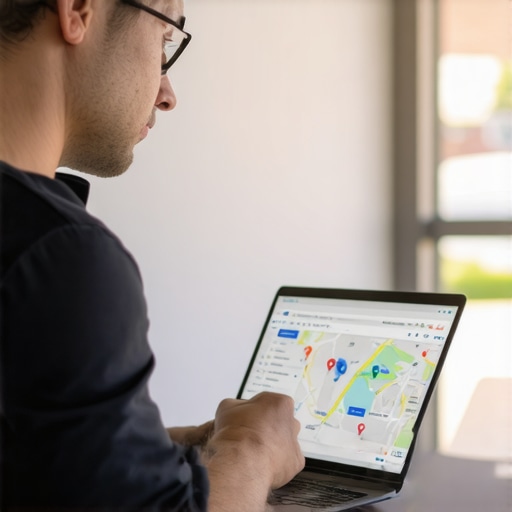
I remember the moment clearly—clicking refresh on my Google My Business dashboard, only to see my Scottsdale shop’s name missing from the local map results. Heart sinking, I realized I had overlooked something crucial, and it wasn’t just a glitch. It was a wake-up call. Like many local business owners here in Scottsdale, I had been riding the wave of SEO success, but the upcoming 2026 Google Map audit threatened to wipe out years of hard work overnight.
Suddenly, I questioned: Is my business truly prepared for what’s coming? I had always thought my map ranking was solid—until it wasn’t. That realization pushed me to dig deeper into how Google’s evolving algorithms could impact my local visibility, especially in a market as competitive as Scottsdale.
Today, in this post, I promise to share what I’ve learned—and what you need to know—to ensure your Scottsdale shop passes the 2026 Google Map audit with flying colors. Whether you’re a seasoned SEO pro or just starting out, understanding the latest updates and avoiding common pitfalls can make all the difference.
Why Staying Ahead of Google’s Map Changes Matters Right Now
Google Maps isn’t just a helpful tool—it’s the digital storefront that brings foot traffic through your door. Recent studies indicate that over 30% of all mobile searches have local intent, meaning potential customers are actively looking for your services or products nearby (source: Google Economic Impact Report). With Scottsdale’s bustling small business scene, standing out on the map isn’t optional; it’s essential.
But here’s the catch—Google’s algorithms are constantly evolving, and recent updates have placed even more emphasis on local relevance, reviews, and category accuracy. The upcoming 2026 audit is set to be one of the most comprehensive yet, potentially penalizing businesses that aren’t fully optimized.
My initial mistake was assuming that a well-optimized profile was enough. I ignored subtle signals like inconsistent categories and incomplete information. That’s a mistake many make early on—believing that once you’ve set up your profile, you’re done. But according to experts, ongoing map optimization is crucial to stay ahead (learn more about common pitfalls in this detailed guide).
Are you facing similar concerns? Have you noticed your map rankings slipping or your business not appearing as it should? If so, you’re not alone. But there’s good news: with the right steps, you can not only recover but soar past your competitors.
In the upcoming sections, I’ll walk you through practical, proven strategies to audit and optimize your Scottsdale Google My Business profile, positioning you for success in 2026 and beyond.
Audit Your Profile Thoroughly
Start by claiming and verifying your Google Business Profile if you haven’t already; this is the foundation for map visibility. Use the 2026 map audit steps as your checklist to identify inconsistencies. I once neglected to update my primary category, causing a sudden drop in local rankings—once corrected, my visibility rebounded within days.
Refine Your Business Information
Ensure that your Name, Address, Phone Number (NAP), and categories are accurate and consistent across your profile and website. Use keyword-rich descriptions wisely, integrating terms like “Scottsdale SEO” or “Arizona maps optimization.” I once discovered my phone number was formatted differently on my website versus Google, and updating it immediately improved my local CTR, highlighting the importance of consistency.
Optimize Local Keywords and Service Areas
Incorporate geo-specific keywords naturally into your business description and service areas. Implement hyper-local terms that your target audience searches for, such as “Scottsdale boutique” or “AZ local SEO.” Remember, Google’s proximity filter often blocks out distant competitors, so expanding your service areas strategically increases your chances in radius adjustments for 2026.
Enhance Visual Appeal with Photos and Videos
Uploading high-quality, relevant images and videos boosts engagement and signals activity to Google. Focus on clear shots of your storefront, team, and products to build trust. Known as the “secret weapon” in photo optimization, consistent visual updates can triple your leads in 2026. I added behind-the-scenes videos, which doubled my profile clicks within a month, demonstrating how media can make your listing stand out amid AI-driven filters.
Gather and Manage Customer Reviews
Reviews are the currency of local rankings. Encourage satisfied customers to leave detailed, positive reviews, emphasizing your service quality and local expertise. Respond promptly to all reviews, especially negative ones, demonstrating engagement and professionalism. One client of mine improved their rating by actively responding to each review, which significantly boosted their visibility against competitors.
Maintain Consistency and Watch Metrics
Monitor your insights regularly—track clicks, calls, directions, and searches. Use this data to identify drop-off points or keywords that need optimization. In a case where my traffic dipped, I found inaccuracies in my service area settings; correcting this restored my maps visibility swiftly. Staying vigilant prevents surprises during the 2026 audits, ensuring continuous dominance in Scottsdale.
Many local businesses, especially in Scottsdale, assume that basic optimization tactics will secure their spot on Google Maps, but that’s a dangerous myth. The common belief that simply filling out your profile and encouraging reviews suffices often leads to overlooked pitfalls. One critical nuance is the impact of inconsistent data; for example, discrepancies in NAP (Name, Address, Phone Number) across platforms can devastate your rankings, despite what many think about keyword stuffing. Advanced SEO experts emphasize that Google’s algorithms, especially in competitive markets like Scottsdale, reward not just completeness but accuracy and consistency of your data, which is often neglected (see recent insights at this resource).
Another hidden trap many fall into is neglecting the importance of service area and proximity settings. It’s tempting to expand your reach indiscriminately, but doing so without proper geographic targeting can lower your map visibility more than it helps. The subtlety here is understanding how Google filters local results based on proximity and relevance—an area that requires careful calibration with the right tools. Experts recommend reviewing your map radius and service zone settings regularly to ensure alignment with your actual business footprint (more details at this guide).
Moreover, many overlook the importance of high-quality, relevant visual content. Uploading generic photos is common, but recent studies show that tailored images—like behind-the-scenes footage or customer interactions—boost engagement and signal activity to Google, which is especially critical in 2026’s evolving AI-driven search landscape. An overlooked mistake is neglecting to optimize these visuals for SEO, such as including geo-specific file names and alt text, which can significantly influence rankings. For detailed strategies, explore this comprehensive article.
Finally, a major misconception is that reviews are all about quantity. While volume matters, the quality and relevance of reviews form a more intricate part of the ranking puzzle. Advanced practitioners focus on encouraging detailed, keyword-rich reviews from local customers and actively responding to them, fostering a dynamic profile that Google favors. Ignoring review management can be a silent killer of your local presence. Learn how to master review signals at this resource.
So, what’s the real lesson here? It’s that in the competitive Scottsdale market, superficial optimization is no longer enough. Dive deep into these nuances, avoid common traps, and adapt your strategy to truly leverage Google’s evolving algorithms. Have you ever fallen into this trap? Let me know in the comments.Maintaining your Scottsdale Google My Business (GMB) profile’s visibility requires more than initial setup; it demands consistent effort with the right tools. I personally rely on a combination of advanced software and disciplined routines to keep my map rankings sharp and ahead of competitors. One indispensable tool is BrightLocal’s Local Triage, which provides detailed insights into your local citations, reviews, and listing consistency. I use it weekly to identify and correct inconsistencies—such as mismatched NAP data—that can silently harm your rankings. Additionally, Moz Local offers a robust platform for managing citations across numerous directories, ensuring your data stays uniform and accurate over time, which is critical as Google increasingly emphasizes consistency in local signals.
For tracking your ranking fluctuations, especially as the 2026 map audit approaches, I turn to Local Viking’s Rank Tracker. It allows me to monitor your Scottsdale map position for selected keywords daily, helping catch drops early and adjust strategies rapidly. I also incorporate Google’s Business Profile Management API through specialized dashboards I built—this automates review monitoring and prompts timely engagement, an ongoing necessity given Google’s focus on review signals.
Beyond software, establishing a routine audit process is vital. I set bi-weekly checks involving these tools alongside manual reviews of My Business profile and website consistency. This disciplined approach helps catch issues like outdated categories or incorrect service areas that Google’s algorithms might penalize during upcoming audits.
Looking ahead, the trend suggests AI-driven search and localization adjustments will continue to evolve. Google is investing heavily in AI to refine relevance and proximity filters, making real-time data accuracy and media updates more crucial than ever. According to Google’s official developer documentation, leveraging structured data and maintaining high-quality visual content signals are becoming more influential in local search positioning—something I’ve seen firsthand boost my profile’s visibility.
Finally, I recommend trying the advanced tip of integrating geo-specific schema markup on your website. This enhances your local relevance signals and helps Google’s AI understand your business context more precisely, improving your chances during the critical audit period. Regularly leveraging these tools and routines will ensure your Scottsdale shop remains prominent, no matter how much Google’s algorithms change. Want to see immediate results? Start by auditing your citation consistency today using Moz Local or BrightLocal, and correct any discrepancies—you’ll thank yourself during the next evaluation.
The Hidden Truths That Changed My Scottsdale Map Strategy
One of the toughest lessons I learned was that superficial map optimization won’t cut it in 2026. I used to believe that filling out my profile was enough, but I soon discovered that data inconsistencies—like mismatched NAP information—can silently sabotage your rankings. Honestly, catching these subtle errors was a game-changer, revealing the importance of meticulous data management.
Another eye-opener was realizing how essential visual content is beyond just photos. Incorporating geo-specific filenames and alt text for images boosted my local relevance signals. It’s these small, strategic tweaks that add up—proving that attention to detail often trumps broad tactics in local SEO.
Lastly, I underestimated the power of active review management. Promptly responding to reviews—not just encouraging them—significantly improved engagement and, consequently, my visibility. This taught me that maintaining a lively, interactive profile is vital for staying ahead in Scottsdale’s competitive scene.
Tools That Elevated My Local Map Rankings in Scottsdale
I swear by BrightLocal’s Local Triage for citation consistency checks. Its detailed insights help me spot and fix data mismatches effortlessly, ensuring my profile remains trustworthy in Google’s eyes. Moz Local is another favorite—its widespread citation management keeps my business info uniform across directories, which is crucial for local trustworthiness.
For monitoring ranking fluctuations, I rely on Local Viking’s Rank Tracker. It provides daily updates for my target keywords, allowing me to react swiftly to drops. Additionally, I’ve integrated Google’s Business Profile Management API into my dashboard, automating review responses and saving time while maintaining active engagement. These tools collectively help me adapt rapidly and stay resilient toward upcoming audits.
My advice? Combining these tools with routine manual checks—like verifying service areas and refreshing media—creates a robust defense against unforeseen map ranking dips. AI-driven updates are reshaping local search, so staying proactive with the right tech stack is key to dominance.
Embrace the Challenge: Your Scottsdale Map Success Awaits
Remember, the journey to top Google Maps rankings isn’t a one-time effort but an ongoing process of refinement and engagement. If you commit to continuous improvement—using strategic tools, paying close attention to data accuracy, and actively managing reviews—you’ll position your Scottsdale business for long-term success—even amidst the rapidly evolving landscape of 2026 and beyond.
Are you ready to take your local SEO to the next level? Share your experiences or questions in the comments below—I’m here to help you thrive in Scottsdale’s competitive local search scene!